
You know that feeling when something looks familiar but just doesn’t sit right? Like when you see an old friend from behind, but something’s off about their walk?
That’s exactly what happened to Count Edward Charles Richard Taaffe back in 1945. He was sorting through gems in Dublin when one stone made him pause. It looked like spinel, sure. But his gut said otherwise.
When Your Eyes Know Better
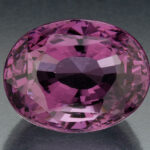
Taaffe had seen plenty of spinel before. This 1.419-carat mauve stone should of been just another pretty gem in the pile. But something nagged at him.
He did what any curious person would do. He looked closer.
The stone was doing something spinel doesn’t do. Light was splitting in two as it passed through. Spinel keeps light in a single beam, just like diamonds do. This little rebel was breaking the rules.
Most people would have shrugged and moved on. Not Taaffe. He boxed up that suspicious stone and shipped it off to the Laboratory of the London Chamber of Commerce.
Weeks later, the results came back. The scientists were scratching their heads too. This wasn’t spinel. It wasn’t anything they’d seen before.
They had just discovered a brand new gemstone. From a cut stone, no less. That never happens in the gem world. Usually you find rough crystals first, then figure out what they are.
The gem got named after Taaffe, which seems fair since he’s the one who trusted his instincts. After they used part of it for testing, he got back a 0.55-carat piece. The first official chunk of taaffeite in history according to 5 Things to Know About … Taaffeite.
The Ultimate Identity Crisis
Here’s the thing about spinel. It’s been fooling people for centuries. Half the “rubies” in royal collections turned out to be spinel when experts finally took a closer look.
But taaffeite? It takes this game to a whole new level.
These two stones are ridiculously similar. Both hit about 8 on the hardness scale. Their light-bending numbers are nearly identical. Even their weight feels the same when you hold them.
The differences are tiny but crucial. That light-splitting trick taaffeite does? Spinel can’t pull that off. They also grow in different crystal shapes. Spinel makes cubes while taaffeite prefers hexagons.
No wonder taaffeite hid for so long. It was sitting right there in spinel collections, playing dress-up. Dealers were selling it without knowing what they had.
A Stone of Many Faces
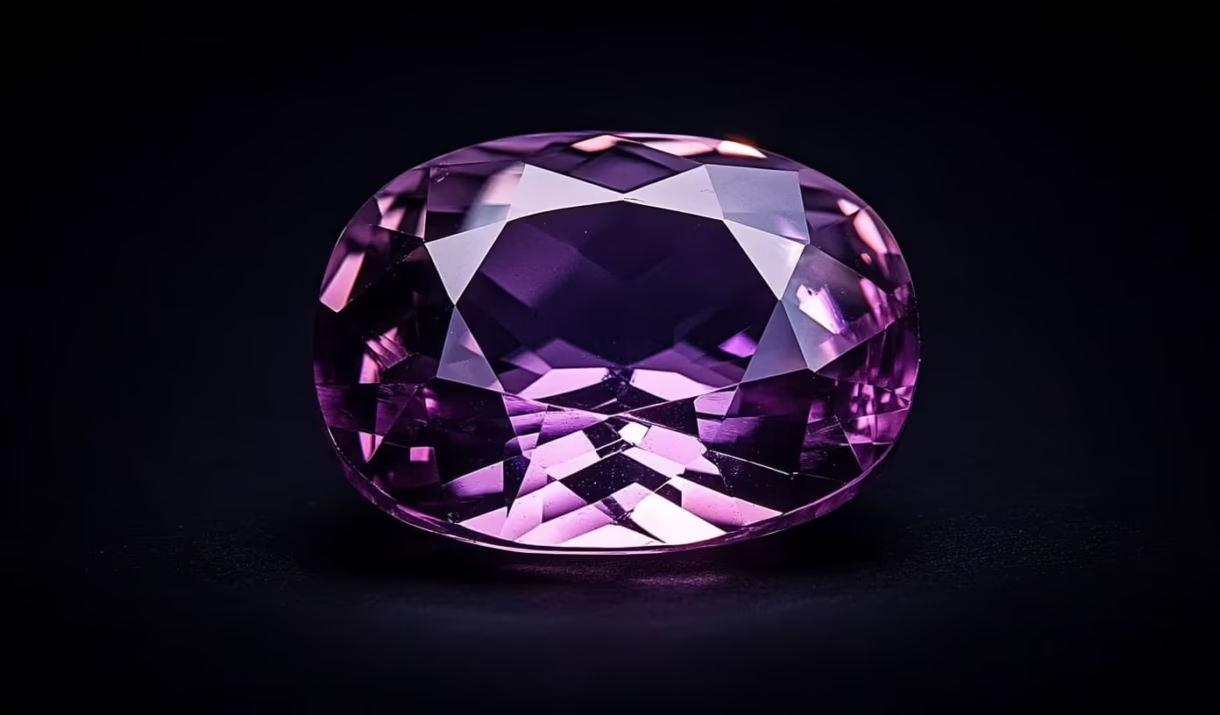
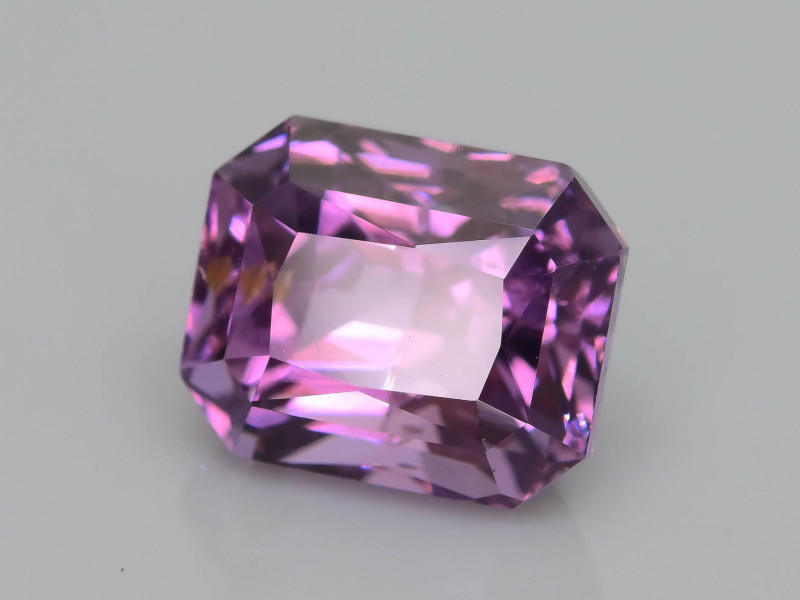
Taaffeite comes in colors that would make a sunset jealous. The fancy ones are lilac, violet, and mauve. But it also shows up in red, brown, blue-ish tones, gray, green, and completely clear.
The secret behind these colors lies in its makeup. It’s beryllium magnesium aluminum oxide, which sounds fancy but just means it’s made of common elements arranged in an uncommon way. Tiny bits of chromium and iron sneak in sometimes, creating those beautiful color changes.
The purple and lavender stones are the ones everyone wants. They’re pure and saturated, like someone concentrated liquid twilight into crystal form. Research detailed in Taaffeite: A Rare Gemstone with a Remarkable History shows these are the colors that make collectors weak in the knees.
Playing Hide and Seek Underground
For years after Taaffe’s discovery, nobody knew where taaffeite actually came from. It was like finding a beautiful seashell in your backyard with no ocean in sight.
Eventually, small pieces started showing up in Sri Lanka and southern Tanzania. Myanmar joined the party later, along with some lower-grade stuff from China and Russia.
But here’s the kicker. Taaffeite forms under very specific conditions. You need high temperatures and the right chemical soup. Beryllium and magnesium have to play nice together, which doesn’t happen often in nature.
Most taaffeite gets found by accident. Miners are digging for spinel and surprise! There’s this other stone mixed in. Nobody’s actively hunting for taaffeite because there’s just not enough of it to make a living.
Rare as Hen’s Teeth
When gem experts say something is rare, they usually mean “uncommon but findable.” When they talk about taaffeite, they mean “good luck ever seeing one.”
In the early days, only about 10 pieces existed in the entire world. More have surfaced since then, but we’re still talking tiny numbers.
Here’s a fun comparison. For every million diamonds pulled from the ground, maybe a handful of taaffeite stones surface. That puts it in the same league as painite and other “holy grail” gems that collectors dream about.
Carl Larson from Pala International has handled maybe 20 taaffeite stones in seven years of dealing. Of those, only four were good enough to call “fine quality.” That tells you everything about how scarce this stuff really is.
The Price Tag That Makes You Wince
Rarity drives price in the gem world, and taaffeite proves this rule perfectly.
The lighter, less intense stones are the “bargain” option at $1,500 to $2,500 per carat. Light pink and dark purple pieces usually run $800 to $2,500 per carat.
But step up to better color and clarity, and prices jump fast. Nice saturated stones hit $5,500 to $7,500 per carat. The really intense, clean pieces? They can reach $15,000 per carat without breaking a sweat.
Size matters too. Small stones under a carat might cost $2,000 to $5,000 per carat if they’re decent quality. Mid-size stones between one and two carats can hit $5,000 to $15,000 per carat.
The big specimens over two carats? If they’re flawless with deep color, you’re looking at $25,000 per carat or more. At that point, you’re buying something that barely exists.
Origin adds another premium. Stones from Sri Lanka and Myanmar cost more because they tend to have better color and come with bragging rights.
Famous Stones That Made Headlines
Some taaffeite specimens have become legends in the gem world.
The biggest known example weighed 33.33 carats and went to auction in Hong Kong back in 1999. A 13.5-carat stone also sold that same year, proving there was real demand for these rarities.
More recently, Bonhams auctioned a 5.34-carat lavender stone cut into a kite shape. It sold for $20,000 with all the fees included, showing that collectors are willing to pay up.
Somewhere in Sri Lanka, a collector owns a flawless 10.33-carat mauve oval taaffeite. It’s probably one of the finest examples anyone will ever see.
These sales prove something important. Even with tiny supply, hungry buyers exist for quality taaffeite.
More Than Just Eye Candy
Beyond the dollars and rarity, taaffeite means something to people. The stone represents discovery and trusting your instincts. Taaffe could have ignored that nagging feeling and missed making history.
Some folks believe taaffeite has spiritual powers. They say it helps with awareness and emotional balance. The purple colors supposedly connect to chakras and higher thinking.
Whether you buy into that or not, there’s something poetic about a gem discovered through pure curiosity. In our rush-rush world, taking time to really look at things seems almost revolutionary.
The Collector’s Nightmare
Buying taaffeite isn’t like picking up a diamond at the mall. The rarity makes it a target for fakes and mistakes.
Dishonest dealers try passing off spinel or synthetic stones as taaffeite. Some buyers don’t know enough to spot the difference.
You need to check specific things. The double refraction is key since spinel can’t do that trick. Hardness should test between 8 and 8.5. The light-bending number should fall between 1.719 and 1.730.
Most importantly, real taaffeite needs papers from respected gem labs like GIA or AGL. These certificates prove what you’re buying and where it came from.
The weird thing is, most taaffeite buyers know their stuff. They’ve done their homework and sometimes know more than the dealers. It creates this tiny, specialized market where everyone speaks the same language.
A Market That Moves Lightning Fast
Good taaffeite doesn’t sit around waiting for buyers. Clean stones with strong color and decent cuts disappear quickly, regardless of size.
Three types of people buy taaffeite. Serious collectors want museum-quality pieces. Engagement ring shoppers want something nobody else has. Investor-collectors hope the stones will gain value over time.
David Weinberg from Multicolour says demand stayed strong even when other markets struggled. The growing interest in rare gems keeps taaffeite popular among people who can afford it.
What Comes Next
Taaffeite’s story keeps writing itself. New finds could happen, though the specific conditions needed make discoveries unlikely.
The gem market’s love affair with rarity suggests taaffeite prices will keep climbing. Its unique discovery story plus genuine scarcity makes it special among collectors.
From Taaffe’s moment of doubt to today’s auction houses, this stone proves that paying attention pays off. Most gems have been known for thousands of years. Finding something truly new still feels like magic.
Next time you’re looking at a collection of stones, remember Taaffe’s story. That slightly different-looking gem might be something the world hasn’t seen before. Sometimes the best discoveries happen when we trust that little voice saying “something’s not right here.”