
So you want a padparadscha sapphire. Join the club of confused shoppers.
These sunset stones are pretty, rare, and pricey. They’re also the most argued-about gem on the planet. What counts as real padparadscha? Nobody knows for sure.
Here’s how to buy one without getting ripped off.
The Color Fight That Never Ends
Everyone fights about padparadscha color. It’s like asking people to agree on the best pizza topping.
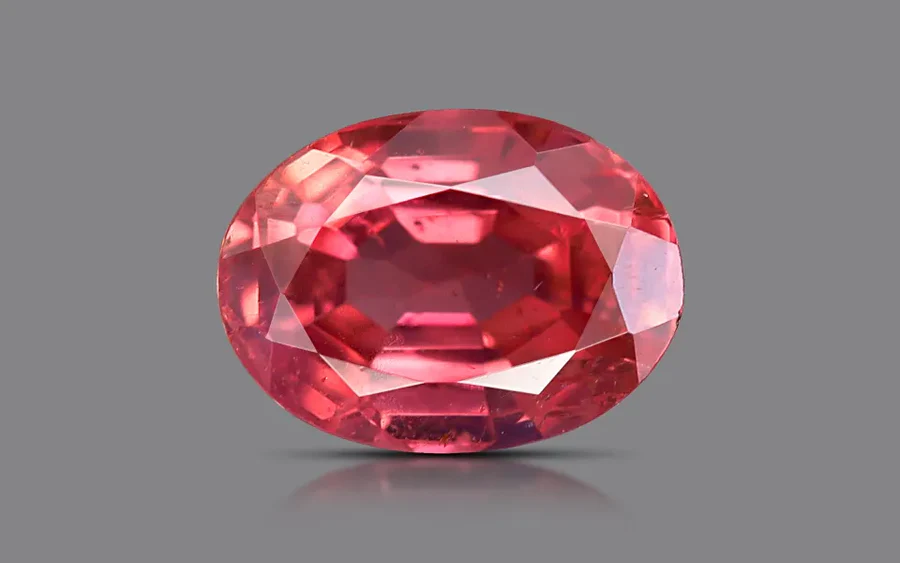
The name means “lotus blossom” in Sri Lankan. That should tell you something about the colors we’re dealing with. Peachy sunset hues that mix pink and orange.
Most experts say padparadscha is pinkish orange to orangey pink. Low to medium intensity. Light to medium darkness. Info from Padparadscha Sapphire Value, Price, and Jewelry Info – IGS backs this up as the most accepted definition.
But then it gets messy. Some stones show pink here, yellow there. Others lean heavy orange with tiny pink hints. Dealers love calling borderline stones “padparadscha” because the name adds big money.
Your job? Learn to spot real ones from wannabes.
The Secret Problem Nobody Mentions
Here’s what they don’t tell you about buying padparadscha. Most dealers can’t agree on what counts.
One expert calls it padparadscha. Another says pink sapphire. Same exact stone. Different labs give different color grades. This isn’t because people are stupid. It’s just how borderline colors work.
This creates chances for great deals and expensive mistakes. You might find real padparadscha labeled wrong. Or pay premium prices for fancy pink sapphire.
The fix? Buy the stone, not the name. If you love how it looks and the price seems fair, who cares what someone calls it.
What Makes These Things So Expensive
A few things control padparadscha prices. Knowing them helps you spot deals and avoid getting burned.
Color Rules Everything
Perfect padparadscha color costs serious money. The right mix of pink and orange, spread evenly, with good strength but not too much.
Stones that lean too pink or orange cost less. Weird color patterns hurt value unless they’re really cool.
Perfect, even color with good strength hits $30,000 per carat for nice stones. That’s ruby money.
Big Ones Are Crazy Rare
Large padparadscha stones barely exist. Prices jump hard over two carats. Stones over five carats are museum pieces.
A 3-carat heated stone might run $10,000 per carat. Same stone unheated could hit $20,000 per carat. Research from Padparadscha Sapphire Pricing Guide 2025 (What determines it’s price) – Gemdaia Jewellery shows this pattern all the time.
The biggest known nice padparadscha is 100.18 carats sitting in a New York museum. Most people will never see anything close.
Heat Treatment Changes Everything
Most padparadscha sapphires get heated. It makes colors better and clearer without being obvious.
Heated stones cost way less than unheated ones. But heated doesn’t mean bad. Many heated padparadschas look amazing.
Unheated stones cost huge money because they’re natural miracles. But don’t skip heated stones if the color makes you smile.
Flaws Don’t Kill Value Like Diamonds
Unlike diamonds, padparadscha sapphires often have stuff inside them. Perfect clarity is rare and expensive.
Small flaws don’t hurt much if the color rocks. But avoid stones that look like they got beat up unless the price shows it.
Some flaws actually prove it’s natural. Fake padparadschas exist but aren’t common.
Where They Come From Matters
Geography affects padparadscha value, though not as much as some gems.
Sri Lanka: The Old School Source
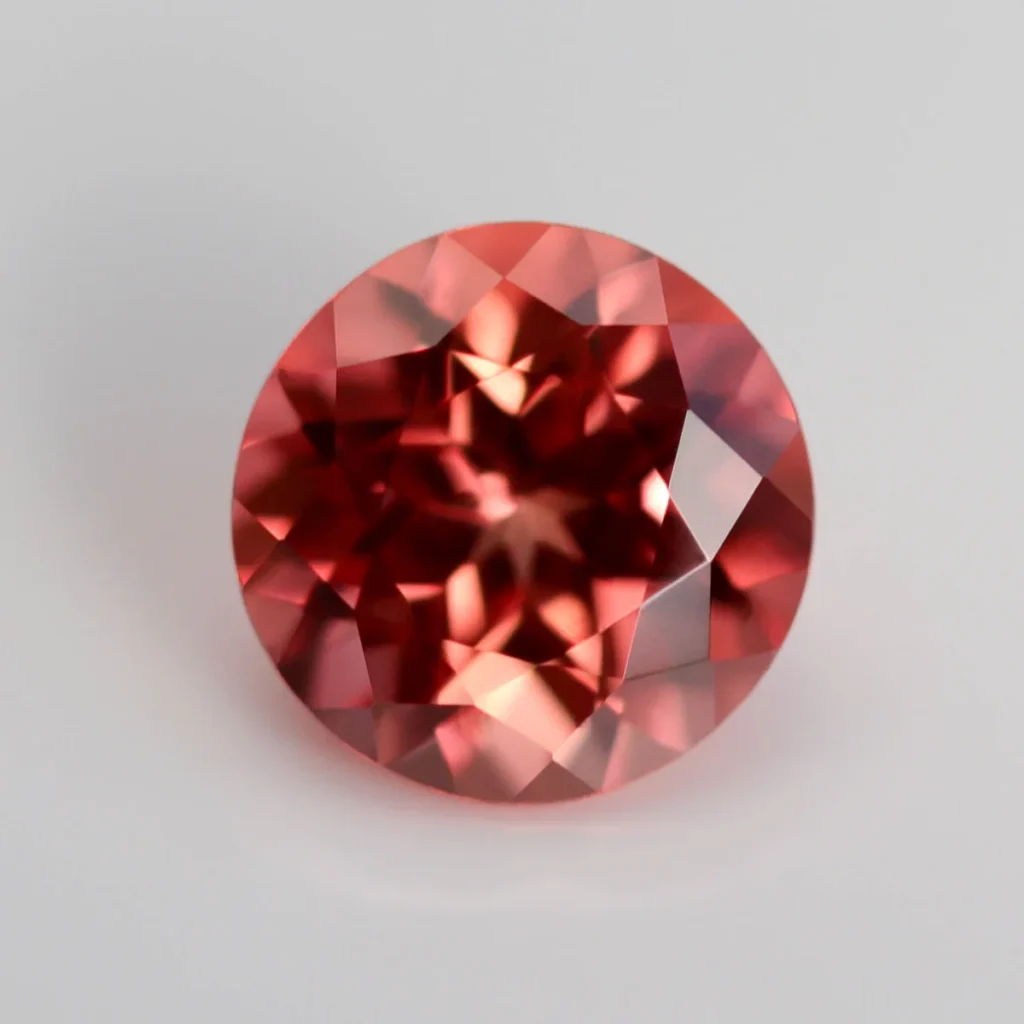
Sri Lanka makes classic padparadscha color. These stones often show that perfect pink-orange mix everyone wants.
Sri Lankan stones get respect. They’re not always more expensive, but dealers and collectors like them better.
Madagascar: The New Kid
Madagascar has made great padparadscha sapphires lately. Some show colors as good as the best Sri Lankan stones.
Madagascar stones sometimes cost less because people prefer Sri Lankan ones. This means deals for smart buyers.
Other Places
Tanzania, Myanmar, and Vietnam make stones that sometimes count as padparadscha. These are often good value compared to traditional sources.
Warning Signs That Should Make You Run
Watch for these red flags when shopping.
Prices That Make No Sense
If someone wants $50,000 per carat for a heated 2-carat stone, they’re crazy. If they want $500 per carat for “padparadscha,” it ain’t padparadscha.
Learn what different quality levels should cost. Don’t pay top prices for average stones.
Color That’s Too Perfect
Real padparadscha color has small variations. Fake stones often look too uniform and bright.
Be suspicious of stones with perfect color everywhere. Nature doesn’t work that clean.
Sellers Who Can’t Explain
Good dealers can tell you exactly why they call something padparadscha. They get the color range and can back up their claims.
If the seller just says “it’s padparadscha” without explaining why, they might not know what they’re selling.
Won’t Talk About Treatment
Sellers should tell you about treatments upfront. Heat treatment is normal and fine, but you should know.
Avoid sellers who won’t discuss treatment or act weird about the stone’s history.
How to Shop Smart
Here’s your game plan for buying padparadscha.
Learn First
Look at tons of padparadscha sapphires before buying. Visit fancy dealers, go to gem shows, study photos online.
Your eyes need training to see the tiny color differences that separate padparadscha from pink sapphire.
Use Specialists
Buy from dealers who focus on rare sapphires. They understand the market and can explain why certain stones qualify.
Companies with deep colored stone knowledge matter. As shown at Padparadscha Sapphire Buying Guide, specialists understand the details that count.
Get Real Certificates
Buy stones with papers from good labs like GIA, AGL, Gübelin, or SSEF. These labs understand padparadscha colors.
The certificate should say “padparadscha,” not just “fancy sapphire” or “pink sapphire.”
Think About Your Budget
Padparadscha prices are all over the place. Basic heated stones start around $1,000 per carat. Museum pieces hit $30,000+ per carat.
Decide what you can spend and buy the best stone in that range. Don’t stretch for bigger stones with worse color.
The Heat Treatment Thing
Most padparadscha sapphires get heated. This isn’t cheating, it’s normal.
Heat treatment can:
- Make colors stronger
- Even out color spread
- Fix some flaws inside
- Make stones more sellable
Unheated padparadschas are rare and cost big money. They show what nature can do without help.
Both heated and unheated stones can look great. Buy what you love and can afford, not what you think you should want.
Will It Make You Money?
Padparadscha sapphires can be good investments, but they’re not sure things.
Nice stones over 2 carats have gained value steadily. Rarity plus more people knowing about them drives demand.
But it’s a small, specialized market. Selling quickly can be hard if you need cash.
Buy mostly because you love it. Any money you make should be extra, not the main reason.
Making Your Choice
Found a stone you’re thinking about? Ask these questions:
Does the color make you happy? If yes, that’s what matters most.
Is the price fair for the quality? Compare with similar stones elsewhere.
Do you trust the seller? Reputation counts in rare gems.
Can you afford it without stress? Don’t go beyond your comfort zone.
Will you enjoy owning it? The stone should bring joy, not worry.
The Real Deal
Buying padparadscha sapphires takes patience, learning, and careful looking. The color fights will keep going, but your taste matters most.
Focus on finding stones with colors that speak to you. Work with dealers who can explain their choices. Get proper papers. Buy what fits your budget.
Most important, remember padparadscha sapphires are meant to be enjoyed. These sunset stones capture one of nature’s prettiest color mixes.
Whether you pick heated or unheated, big or small, Sri Lankan or Madagascar, the goal’s the same: owning something that makes you smile every time you see it.
That’s worth more than any certificate or story about where it came from.