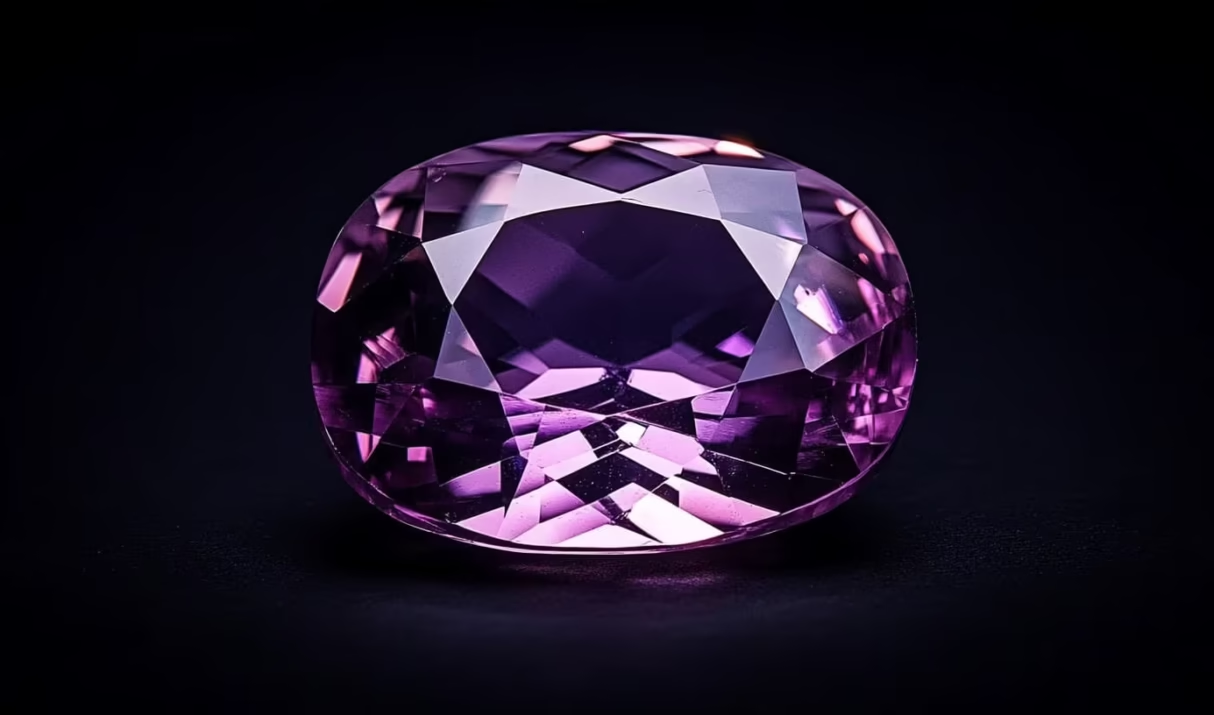

You know that feeling when something looks familiar but just doesn’t sit right? Like when you see an old friend from behind, but something’s off about their walk? That’s exactly what happened to Count Edward Charles Richard Taaffe back in 1945. He was sorting through gems in Dublin when one stone made him pause. It
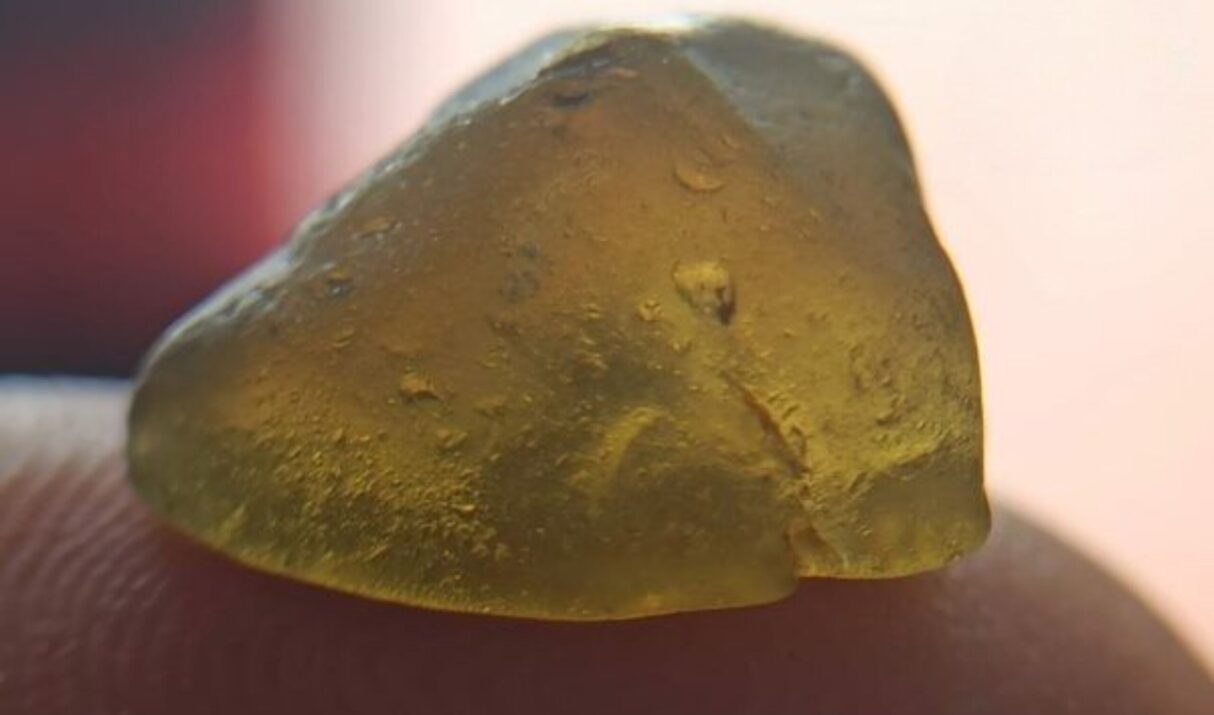
Back in 1952, gem labs in Sri Lanka tested a brown crystal long thought to be spinel. For years, dealers had sold these stones without much thought. They were pretty, sure, but nothing unusual. The test results told a different story. It wasn’t spinel at all. It was something new. That mistake changed gem history.
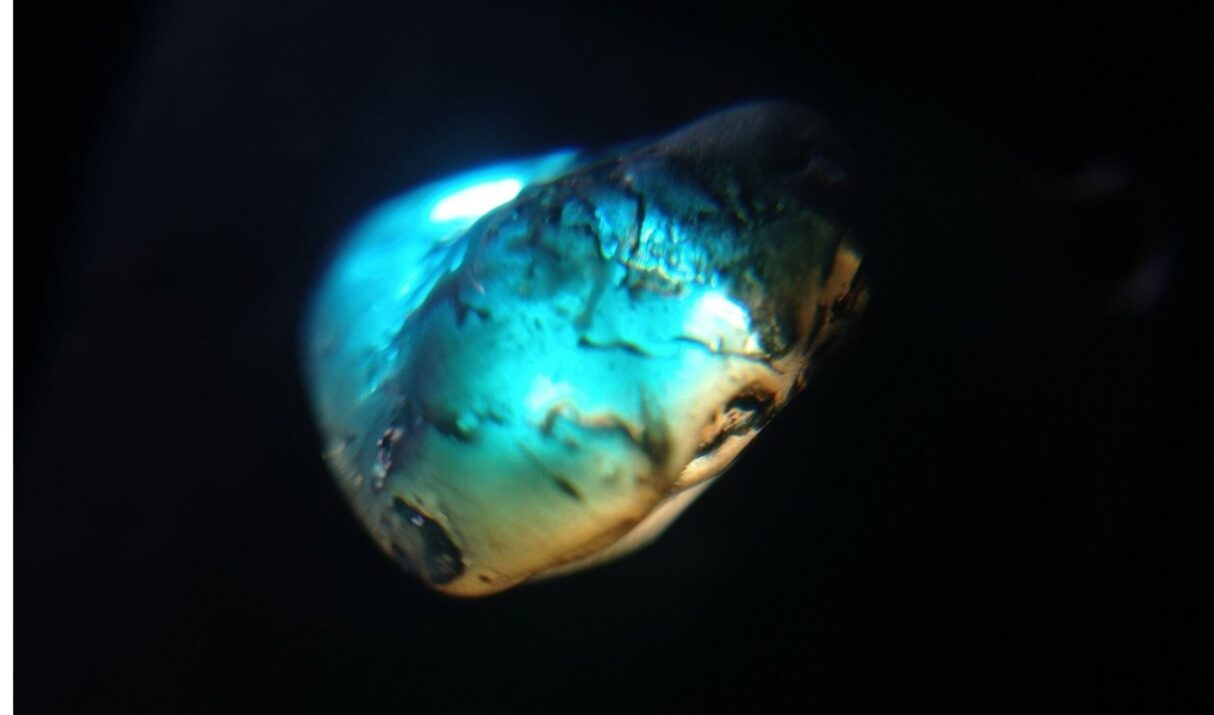
In 1902, a gem collector in Sri Lanka noticed a dark stone among river pebbles. At first, it looked ordinary. But a closer look showed it was different. Scientists named it Serendibite, after “Serendib,” an old name for Sri Lanka. This small stone became one of the rarest gems known. Few people see it. Fewer
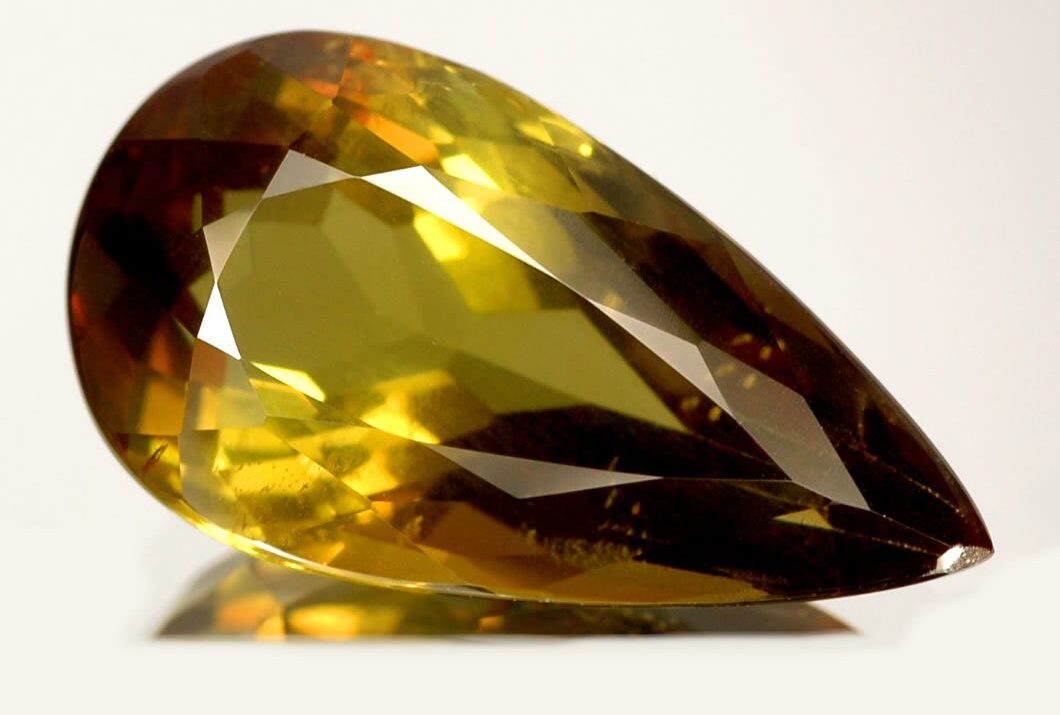
Imagine a gem that never looks the same twice. Hold it in your hand and turn it. Green flashes from one angle, red-brown from another. Sometimes a golden light appears. This is andalusite, one of nature’s most unique stones. It is rare, hard to find in fine quality, and often overlooked. Yet those who know