
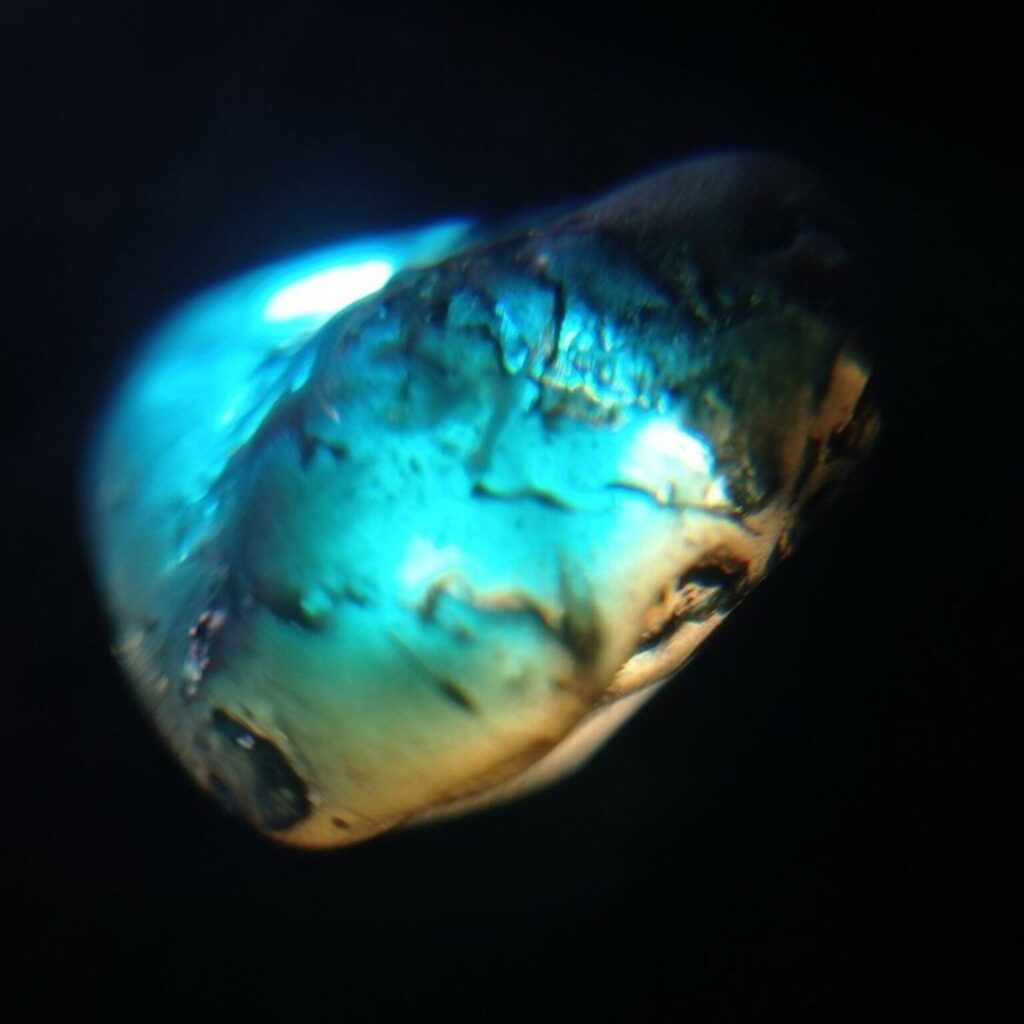
In 1902, a gem collector in Sri Lanka noticed a dark stone among river pebbles. At first, it looked ordinary. But a closer look showed it was different. Scientists named it Serendibite, after “Serendib,” an old name for Sri Lanka.
This small stone became one of the rarest gems known. Few people see it. Fewer still own it. Its story combines mystery, beauty, and history.
The black stone came from the hills and reached collectors around the world (Serendibite – Geology Science).
The first find
Sri Lanka has supplied gems for over two thousand years. Traders from China, Europe, and the Middle East came to buy sapphires, spinels, and garnets. The rivers carry stones from the mountains to the lowlands.
Among all these gems, Serendibite stood out. It was neither bright like sapphire nor fiery like spinel. Its dark green-blue tones made it unique. Scientists tested its chemistry, hardness, and refractive index. Then they gave it a name tied to the island.
Even today, Sri Lanka is the heart of serendibite’s story. Small finds also exist in Myanmar and Madagascar, but the island remains its birthplace (Serendibite: The Rare, Alluring Black Gemstone You Need to Know).
What does Serendibite look like?
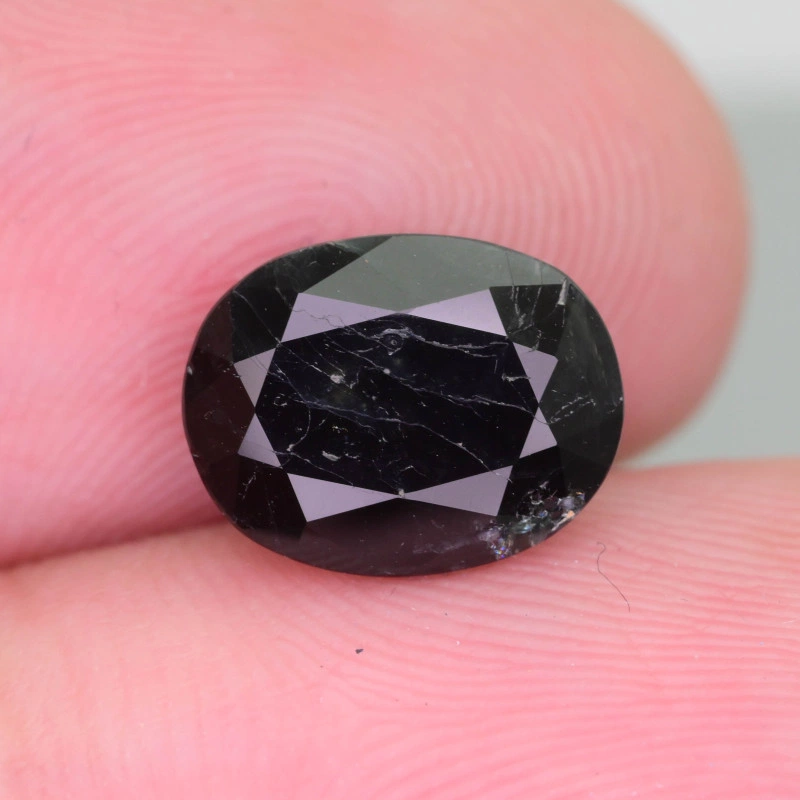
Most serendibite looks black at first. Some stones reveal deep green or blue when held to light. A rare few show hints of yellow or grey. Transparent stones are almost unheard of. These gems shine when cut, revealing subtle color layers.
Its luster is glassy, sometimes slightly more brilliant. In gem terms, this is called vitreous to subadamantine. Yet most stones are opaque. A faceted gem over one carat is exceptionally rare.
Hard but fragile
Serendibite rates 7.5 to 8 on the Mohs hardness scale. Harder than quartz, nearly as strong as topaz. It resists scratches, but there’s a catch. The stone has cleavage. A hard knock may split it along certain lines.
Jewelers usually place it in pendants or earrings to protect it. Rings are possible but must be carefully set, often in a bezel. This mix of hardness and fragility adds to its charm. It is strong yet delicate, rare yet risky.
A collector’s dream
Clean, transparent pieces are incredibly rare. Most serendibite goes to private collectors or museums. Small opaque stones are affordable. Transparent, clear pieces with deep color can cost thousands. Reports say some have sold for $18,000 per carat.
Collectors prize it not for size or sparkle but for its story. Each stone carries a history of geology, discovery, and rarity. Almost never seen, each piece becomes a treasure (Serendibite – Geology Science).
How is it cut and used?
Cutting serendibite is tricky. Its cleavage makes it easy to split. The cutter must study the crystal carefully. Ovals and cushions are common shapes. Facets are placed to capture light through the dark body.
Most stones are small. Half-carat or one-carat gems are already prized. Larger transparent gems are museum-grade. In jewelry, pendants and earrings are safest. Rings are rare, often custom-made, worn mainly for show.
Caring for Serendibite
Serendibite needs gentle care. Soap, warm water, and a soft cloth are enough. Avoid ultrasonic cleaners—they can create vibrations that stress the stone.
Store it separately from harder gems like diamonds and sapphires. Even though it is hard, scratches are possible. Many collectors keep their finest stones in cases for display rather than daily use.
The value of rarity
Why does serendibite matter? Few will wear it. Its value lies in its story. A mineral formed deep in rock, pushed up by the earth, washed into rivers, and discovered by chance more than a century ago. Named after its island home.
Every gem adds a chapter. They are not mass-produced. Each has quirks, flaws, and unique color. That is why collectors pursue it—not just for beauty, but to hold a rare piece of history (Serendibite: The Rare, Alluring Black Gemstone You Need to Know).
How it compares to other Sri Lankan gems
Sri Lanka produces sapphires in every shade. Spinels, cat’s eye chrysoberyl, and moonstone also come from the island. Yet serendibite feels different. It does not flash like a sapphire or spinel. It does not glow like cat’s eye or moonstone.
It holds quiet depth. It is the stone that makes you look twice. It draws in those who seek the rarest gems rather than the obvious beauty.
A modern legacy
Today, dealers in Sri Lanka speak of serendibite with pride. It proves the soil offers more than just well-known gems. Small finds in Myanmar and Madagascar exist, but Sri Lanka is the first discovery site.
For jewelers, it is a challenge. How do you set a small, dark, fragile gem? For collectors, it is a badge of rarity. Some pieces can be worth more than a large diamond.
For those who love stories, it represents centuries of trade, geography, and geology.
Closing thoughts
Serendibite is not for everyone. It is rarely found in local shops or casual rings. It belongs in select collections or carefully crafted jewelry.
But for those who know its story, it carries weight beyond its size. A stone that seems black but holds hints of blue, green, and grey. A dark pebble from Sri Lanka turned into one of the rarest gems on earth.
Rare, fragile, and almost hidden, serendibite reminds us that beauty is not always obvious. Its value is measured in history, rarity, and quiet power, not sparkle.

