
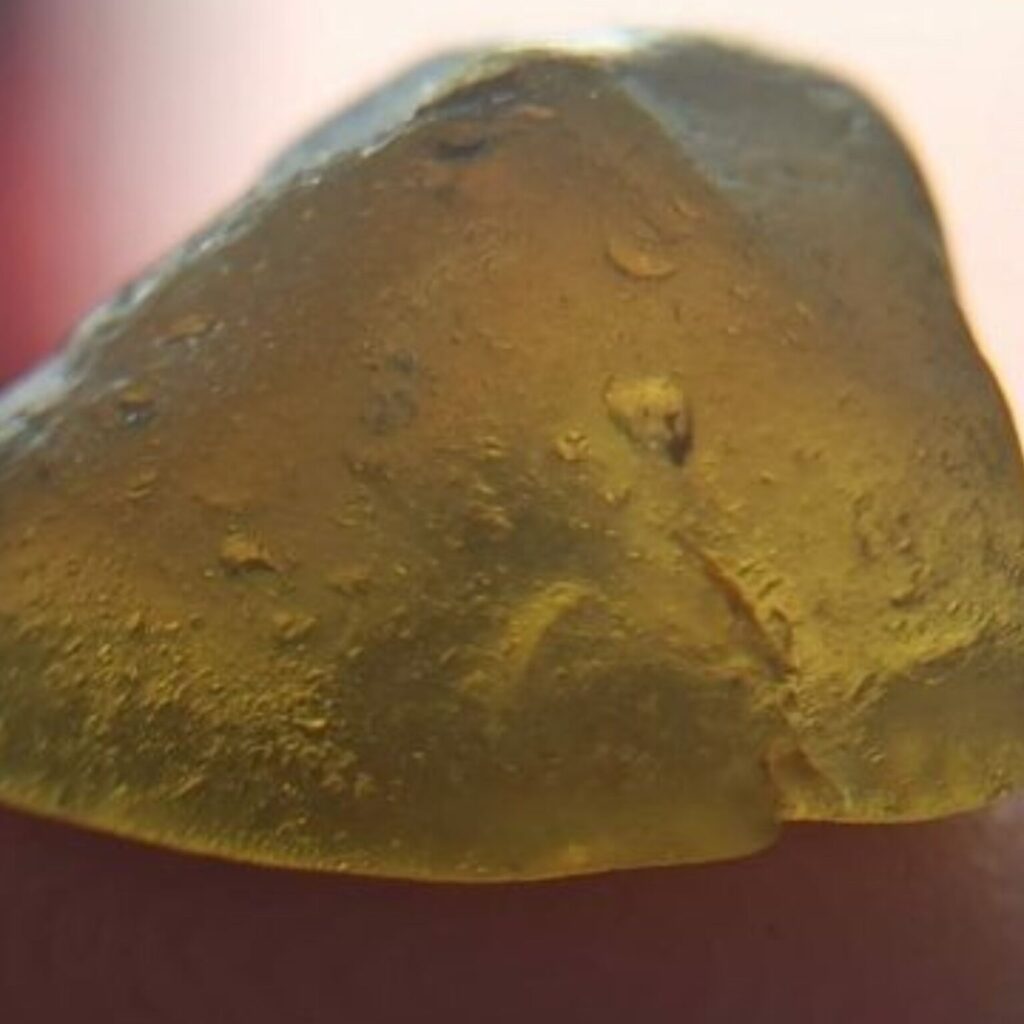
Back in 1952, gem labs in Sri Lanka tested a brown crystal long thought to be spinel. For years, dealers had sold these stones without much thought. They were pretty, sure, but nothing unusual. The test results told a different story. It wasn’t spinel at all. It was something new.
That mistake changed gem history. The stone earned the name Sinhalite, taken from “Sinhala,” the old word for Sri Lanka. A rare gemstone, overlooked for centuries, was finally recognized for what it was.
A hidden start
Miners in Ratnapura, the “City of Gems,” had been pulling Sinhalite from the soil for generations. They didn’t know it. They thought the crystals were just another shade of spinel.
It took chemistry to prove otherwise. Sinhalite held boron, which spinel doesn’t. That tiny detail set it apart. From then on, the world had one more gemstone to treasure.
Warm colors of fire and soil
Sinhalite doesn’t scream with color. It glows.
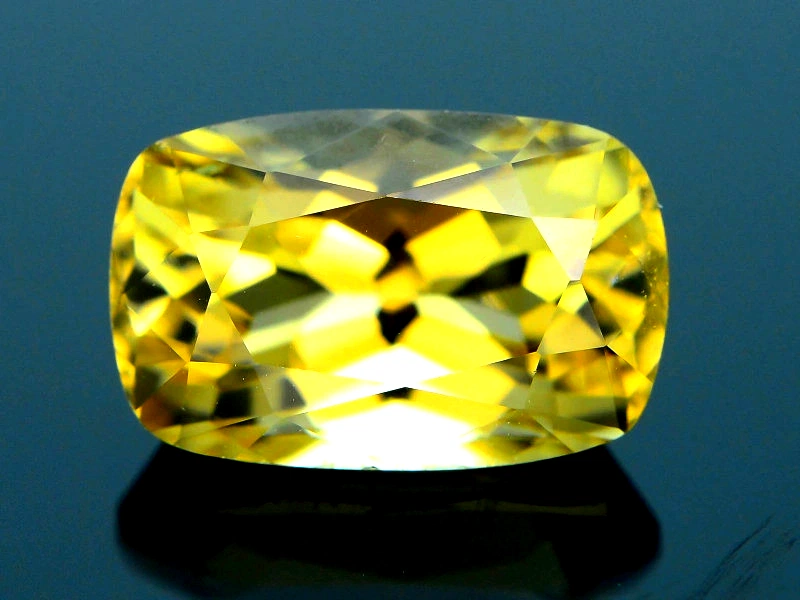
Most stones show earthy tones—yellow, honey, golden brown, sometimes orange. A few lean green or grey. The finest ones look like liquid amber under sunlight. In lamplight they darken, almost smoky.
Collectors love the warm golden to amber shades most. Clean stones with deep color are the prize. Even small gems light up when cut the right way.
How strong is it?
Sinhalite measures 6.5 to 7 on the Mohs scale. Harder than quartz, softer than sapphire. It’s strong enough for rings or pendants, though sharp hits can damage it. (IGS)
Unlike some fragile gems, Sinhalite doesn’t split easily. Jewelers trust it more than stones like topaz or kunzite. Still, care matters. A careless knock on a counter can leave a mark.
Why so rare
Sinhalite is rare, but not impossible to find. Almost all gem-quality stones come from Sri Lanka. Smaller deposits show up in Tanzania and Myanmar, but the island still gives the best.
Clean stones over two carats are scarce. Larger ones are usually cloudy. That makes fine pieces collector’s items. While the world knows sapphires, Sinhalite stays in the shadows. Quiet, rare, waiting for those who look closer.
Cutting the stone
Cutting Sinhalite takes patience. Its refractive index is good, so it handles light well. Ovals and cushions bring out warmth. Round brilliant cuts sparkle like small fires. Cabochons, polished domes, show the earthy body color.
Jewelers rarely get large clean rough. Most cut stones weigh under two carats. Even then, a clear golden stone of one carat can be special.
Jewelry that tells a story
You won’t see Sinhalite in chain stores. It belongs to custom work and private collections. A ring, pendant, or brooch set with Sinhalite carries curiosity.
It’s not the kind of gemstone people recognize on sight. Someone will ask, “What stone is that?” The owner then gets to tell its story. That makes it more than jewelry—it’s a conversation piece.
Gold and platinum protect it well. Silver works too, though usually for smaller stones. Rings can be worn, but pendants and earrings are safer for daily use.
Meaning tied to its name
Gemstones often collect meaning from culture or color. Sinhalite carries both. Its warm shades are linked with focus, energy, and balance. Some say it grounds the mind. Others see it as a creative spark.
Its name adds deeper weight. “Sinhala” is tied to Sri Lanka, both the land and the people. Wearing Sinhalite is like carrying a part of the island itself. Few other gems carry a name so close to their birthplace.
Collectors and value
Collectors chase Sinhalite for its rarity and for its tale. It’s not just another brown stone. It’s a gemstone misidentified for years, later found to be unique.
Prices range wide. Small stones can cost a few hundred dollars. Fine gems with rich golden tones, two carats or more, can climb into thousands per carat. Rarity drives value, but fame hasn’t caught up yet.
That’s why collectors like it. It’s not hyped. It feels like a hidden gem—something only those “in the know” appreciate.
Care at home
Cleaning Sinhalite is simple. Warm water, mild soap, soft cloth. No harsh cleaners. Ultrasonic machines aren’t safe—too much vibration.
Store it separate from harder stones like sapphire or diamond. A small pouch or box is enough. Treated kindly, it lasts for decades, passed on as a family piece.
Standing beside other Sri Lankan gems
Sri Lanka’s fame rests on sapphire. But the island also gives spinel, garnet, moonstone, cat’s eye, and now Sinhalite.
Unlike sapphire’s vivid blue or cat’s eye’s glow, Sinhalite shines softly. It doesn’t demand attention. It rewards those who notice its quiet glow. In a collection, it stands apart, a bridge between well-known and rare.
Recognition in the gem world
Museums now hold Sinhalite. The British Museum, American Museum of Natural History, and others display it. Gem labs teach it to students as an example of mistaken identity turned discovery.
For gemologists, it’s a reminder: not every stone is what it seems. For Sri Lanka, it’s another gem tied to the island’s soil and name.
More than color
At its heart, Sinhalite is about story. A gemstone mistaken for spinel, then revealed as its own. A stone tied by name to Sri Lanka. A gem glowing with fire-like shades of amber and gold.
Its value isn’t only in price. It’s in what it represents: rarity, history, and a little bit of mystery.
Closing words
Sinhalite won’t outshine sapphire or diamond in fame. But it doesn’t need to. It speaks in a quieter voice.
For those who search beyond the famous names, Sinhalite is waiting. Golden, earthy, rare. A gemstone once lost in plain sight, now standing on its own.

