
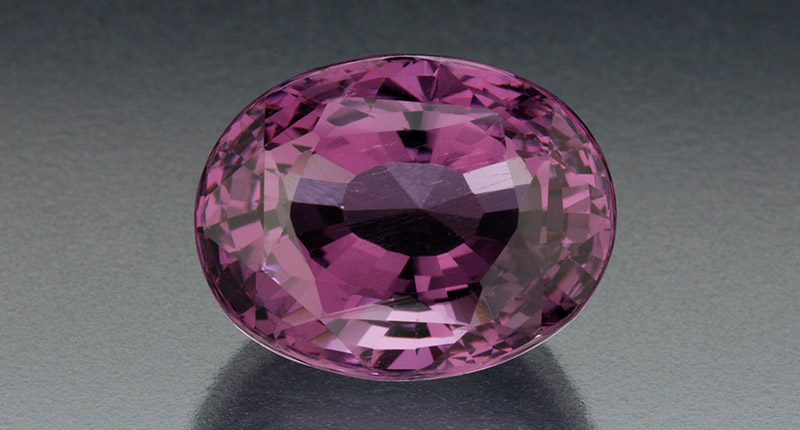
So you want to buy taaffeite. Good luck with that. I’m not trying to be mean. It’s just that buying one of the world’s rarest gems is like finding a needle in a haystack. Except the haystack is full of fakes and the needle costs more than your car.
Let’s talk about how to not get burned.
Why This Gem Makes Smart People Do Dumb Things
Most jewelers have never seen real taaffeite. That includes people who’ve been in the business for decades.
This creates problems. Sellers don’t always know what they’re selling. Buyers definitely don’t know what they’re buying. Mix in some wishful thinking and you get expensive mistakes.
The stone looks just like spinel unless you know the tricks. Even experts miss the differences without proper testing. Research in 5 Things to Know About … Taaffeite shows these gems fooled dealers for years.
Your first rule: trust nobody. Even if grandma swears it’s real, get it checked.
The Big Four That Decide Your Bank Account
Four things control taaffeite prices. With something this rare, each one hits your wallet hard.
Color Makes or Breaks Everything
Lilac, violet, and mauve colors are where the money is. Pure, even, saturated hues that make your eyes happy.
Pink and gray versions cost less but still look nice. Brown, green, and clear stones sit at the bargain table.
If the color looks too perfect, it probably is. Real stones have subtle variations that fakes can’t copy right.
Clarity Counts More Than Usual
Clean taaffeite barely exists in nature. Most stones have flaws you can see. Eye-clean pieces cost serious money.
Small inclusions won’t kill value if the color rocks. But avoid stones that look like they went through a blender.
Some flaws actually help prove it’s real. Natural stones develop patterns that synthetics mess up.
Size Matters Like Crazy
Stones over one carat are genuinely rare. Over two carats? You’re looking at museum stuff.
Don’t ignore smaller stones though. A half-carat beauty beats a larger dud every time.
Price jumps between sizes are brutal. Plan your budget accordingly.
Cut Quality Is Nice But Not Critical
Cut matters less than the other three factors. Most collectors want to keep every possible carat.
Still, avoid stones cut so poorly they look dead. The whole point is showing off something incredible.

Red Flags That Scream “Run Away”
Learn these warning signs and save yourself from expensive lessons.
Prices Too Good to Be True
Real taaffeite starts around $1,500 per carat for commercial grade. If someone’s asking spinel prices, it’s probably spinel.
Anything priced like regular gems isn’t taaffeite. Period.
Mystery Origin Stories
Real taaffeite comes from Sri Lanka, Myanmar, Tanzania, China, or Russia. That’s it.
If the seller can’t tell you where it came from, that’s a problem. If they claim it’s from Mars, definitely a problem.
No Paperwork
Legitimate stones need certificates from GIA, AGL, Gübelin, or SSEF. These labs know what they’re doing.
Sellers who say “it’s obviously real” without papers are trying to sell you something that isn’t real.
Won’t Let You Test
Honest sellers let you verify before buying. If they get weird about testing, there’s a reason.
Some claim testing shows distrust. With stones this rare, verification isn’t optional.
Your Testing Checklist
Get these things checked before spending any money.
The Light Split Test
Taaffeite splits light in two. Spinel doesn’t. A gemologist with a polariscope can check this in seconds.
This test alone separates real taaffeite from its biggest imposter.
Hardness Check
Taaffeite hits 8 to 8.5 on hardness. Spinel maxes out around 8. Small difference but measurable.
Let professionals do this test. Don’t try it yourself.
Light Bending Numbers
Taaffeite bends light between 1.719 and 1.730. This acts like a fingerprint.
Refractometer testing gives exact numbers that help confirm what you’re buying.
Where to Buy (And Where to Run From)
Your seller choice matters more than anything else.
Rare Gem Specialists
Companies like Pala International actually know taaffeite. They’ve handled multiple stones and understand the market.
You’ll pay full price but get expertise and guarantees. Worth it for peace of mind.
Auction Houses
Bonhams, Christie’s, and Sotheby’s occasionally sell taaffeite. These stones get examined by multiple experts.
Expect to pay market prices or more. But at least you know what you’re getting.
Private Collectors
Sometimes collectors sell pieces privately. Can offer good deals if you know your stuff.
But less protection if things go wrong. Get everything in writing.
Places to Avoid
Skip eBay for taaffeite. Too many unknowns.
Regular jewelry stores don’t have the expertise. They might have stones but can’t provide specialized knowledge.
Tourist shops and random gem shows are minefields.
What You’ll Actually Pay
Taaffeite pricing follows predictable patterns once you understand them.
Commercial grade under one carat runs $1,500 to $3,000 per carat. Decent color, some flaws.
Better stones with good color and clarity hit $3,000 to $8,000 per carat. Size and exact color affect the final number.
Fine quality with great color and clarity reaches $10,000 to $20,000 per carat. Stones over two carats at this level barely exist.
Museum pieces with perfect everything command $25,000+ per carat. These rarely change hands.
As shown in research from Taaffeite: A Rare Gemstone with a Remarkable History, Sri Lankan and Myanmar stones cost more due to better color and bragging rights.
Making the Final Call
Found a stone that passes all tests? Consider these last points.
Investment Angle
Prices have climbed as more people learn about taaffeite. Extreme rarity plus growing interest suggests continued growth.
But buy because you love it, not just for profit. Rare gem markets are unpredictable.
Practical Stuff
Think about what you’ll do with it. Display? Custom jewelry? Each use has different needs.
Insurance becomes crucial with valuable rarities. Make sure your policy covers replacement value.
Trust Your Gut
If something feels wrong, listen to that voice. Count Taaffe discovered this gem by trusting his instincts about a stone that looked off.
There are always more opportunities if you wait. Don’t rush into deals that feel wrong.
The Real Talk
Buying taaffeite requires patience, knowledge, and careful checking. But for collectors who love true rarity, few stones offer this combination of beauty and scarcity.
Take your time. Learn everything. Work with good dealers. Test and certify everything.
When you finally own authentic taaffeite, knowing you did it right, the satisfaction makes all the effort worthwhile. You’ll have something most people will never see.
Remember Taaffe’s lesson. The most amazing discoveries come from noticing what others miss.

